Unlocking Innovation: The Complete Guide to Design Software for 3D Printing
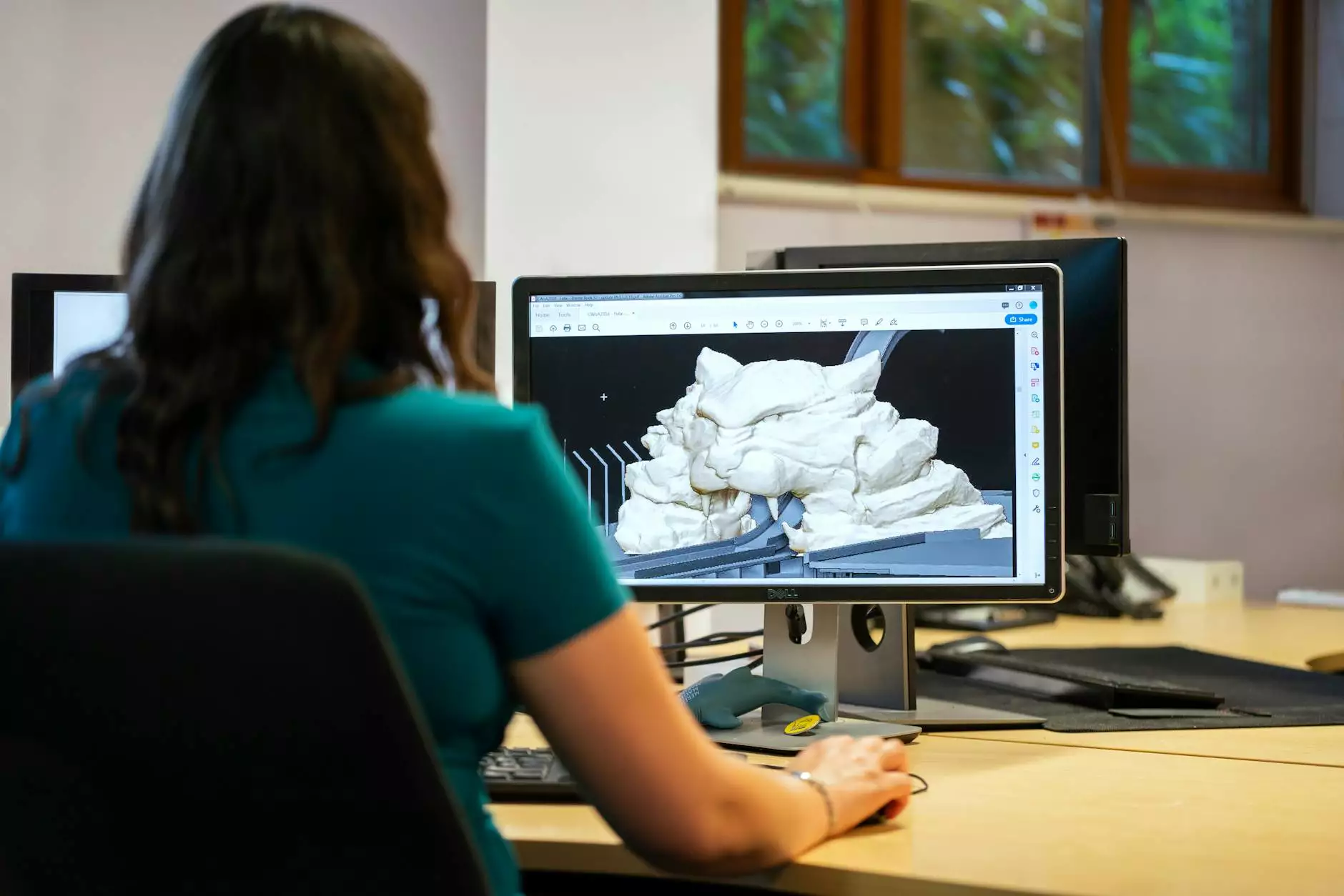
Introduction to 3D Printing and the Role of Design Software
The realm of 3D printing has revolutionized manufacturing, prototyping, and creative design in recent years. With revolutionary advancements in technology, individuals and industries alike harness the power of 3D printers to produce intricate, precise, and customizable objects. Central to this transformative process is design software for 3D printing, which serves as the foundation for translating creative concepts into physical objects.
The Evolution of 3D Printing Design Software
Early 3D printing projects relied heavily on basic CAD (Computer-Aided Design) tools, which were often complex and required specialized training. However, as the industry advanced, a new wave of dedicated design software for 3D printing emerged, combining ease of use with professional capabilities. These tools are optimized for preparing 3D models specifically suited for additive manufacturing techniques, ensuring high-quality outputs and efficient workflows.
Why Choosing the Right Design Software is Critical
Opting for the correct design software for 3d printing can significantly impact the success of your project. The right software ensures:
- Accurate modeling that mirrors your creative vision
- Optimized print settings for material and printer compatibility
- Efficient file preparation that minimizes errors and material wastage
- Enhanced collaboration through sharing and version control
- Streamlined post-processing and finishing processes
Top Features of Premier Design Software for 3D Printing
Leading design software for 3d printing platforms come equipped with a suite of features tailored to meet the needs of hobbyists, engineers, and professionals:
- User-Friendly Interface: Simplifies modeling and editing, making it accessible for beginners yet powerful enough for experts.
- Support for Diverse File Formats: Compatibility with STL, OBJ, AMF, and 3MF ensures seamless integration across various workflows.
- Automatic Mesh Repair: Identifies and corrects errors like holes, gaps, or non-manifold edges that could impair print quality.
- Material and Printer Profiling: Customizable profiles for different filaments and 3D printers to optimize print outcomes.
- Simulation and Preview : Visualize and analyze potential issues before printing, saving time and resources.
- Advanced Support Generation: Tools for creating necessary structural supports without compromising design aesthetics.
- Optimized Toolpaths: Efficient slicing and path planning algorithms to speed up production while maintaining quality.
The Impact of Design Software on 3D Printing Quality and Innovation
The strategic use of innovative design software for 3d printing enables users to push the boundaries of what's possible. High-quality software empowers designers to develop complex geometries, intricate lattice structures, and functional prototypes that were previously impossible or prohibitively expensive to produce. Consequently, this technological synergy accelerates innovation, facilitates rapid prototyping, and fosters creative endeavors across sectors such as aerospace, healthcare, automotive, and consumer goods.
Popular Types of Design Software for 3D Printing
1. CAD Software
CAD tools like SolidWorks, Fusion 360, and Autodesk Inventor are industry-standard solutions offering comprehensive modeling capabilities, parametric design, and simulation features. These are ideal for engineering applications requiring precise measurements and complex assemblies.
2. Mesh Editing Software
Tools such as Meshmixer and Blender excel at editing, repairing, and optimizing mesh data, which is essential for preparing models for printing and refining existing designs.
3. Specialized 3D Printing slicers
Software like Ultimaker Cura, PrusaSlicer, and Simplify3D focus on slicing, support generation, and print settings, acting as the final step before manufacturing.
How to Select the Best Design Software for 3D Printing
Selecting the ideal design software for 3d printing depends on several key factors:
- Your skill level: Beginners may prefer intuitive, user-friendly tools, while professionals might seek advanced CAD capabilities.
- Project complexity: Simple models require basic software, whereas complex, high-precision projects demand robust features.
- Material compatibility: Ensure the software supports the materials you intend to use, such as resin, filament, or specialty composites.
- Budget considerations: While some software options are free or open source, others are premium products with advanced tools.
- Integration with hardware: Compatibility with your 3D printer's firmware and support for specific file formats can streamline the workflow.
The Future of Design Software for 3D Printing
As technology continues to evolve, design software for 3d printing is set to become even more sophisticated, incorporating features like artificial intelligence, machine learning, and cloud-based collaboration. These innovations promise to enhance model accuracy, simplify complex design tasks, and foster global teamwork. Furthermore, the integration of real-time simulation and virtual reality will give designers immersive control over their creations, vastly expanding possibilities in additive manufacturing.
How 3DPrintWig.com Enriches Your 3D Printing Journey
At 3DPrintWig.com, we are committed to empowering your creative and manufacturing process through expert insights, cutting-edge resources, and a curated selection of design software for 3d printing. Whether you are starting out or seeking to elevate your projects, our platform provides comprehensive guidance to help you select the best tools, optimize your workflow, and realize your ideas with precision and efficiency.
Conclusion: Embrace the Power of the Right Design Software for 3D Printing
In the rapidly evolving landscape of 3D printing, the choice of design software for 3d printing can be the defining factor for success. From beginners learning the ropes to seasoned professionals pushing technological boundaries, the right software unlocks endless possibilities. By understanding features, assessing requirements, and staying ahead of technological trends, you can harness the full potential of additive manufacturing. Remember, your creativity paired with powerful tools is the ultimate recipe for innovation. Visit 3DPrintWig.com for more insights and resources that can elevate your 3D printing endeavors to new heights.