Ultimate Guide to Set Up VPN Server on Android Phone - Enhance Your Internet Security with ZoogVPN
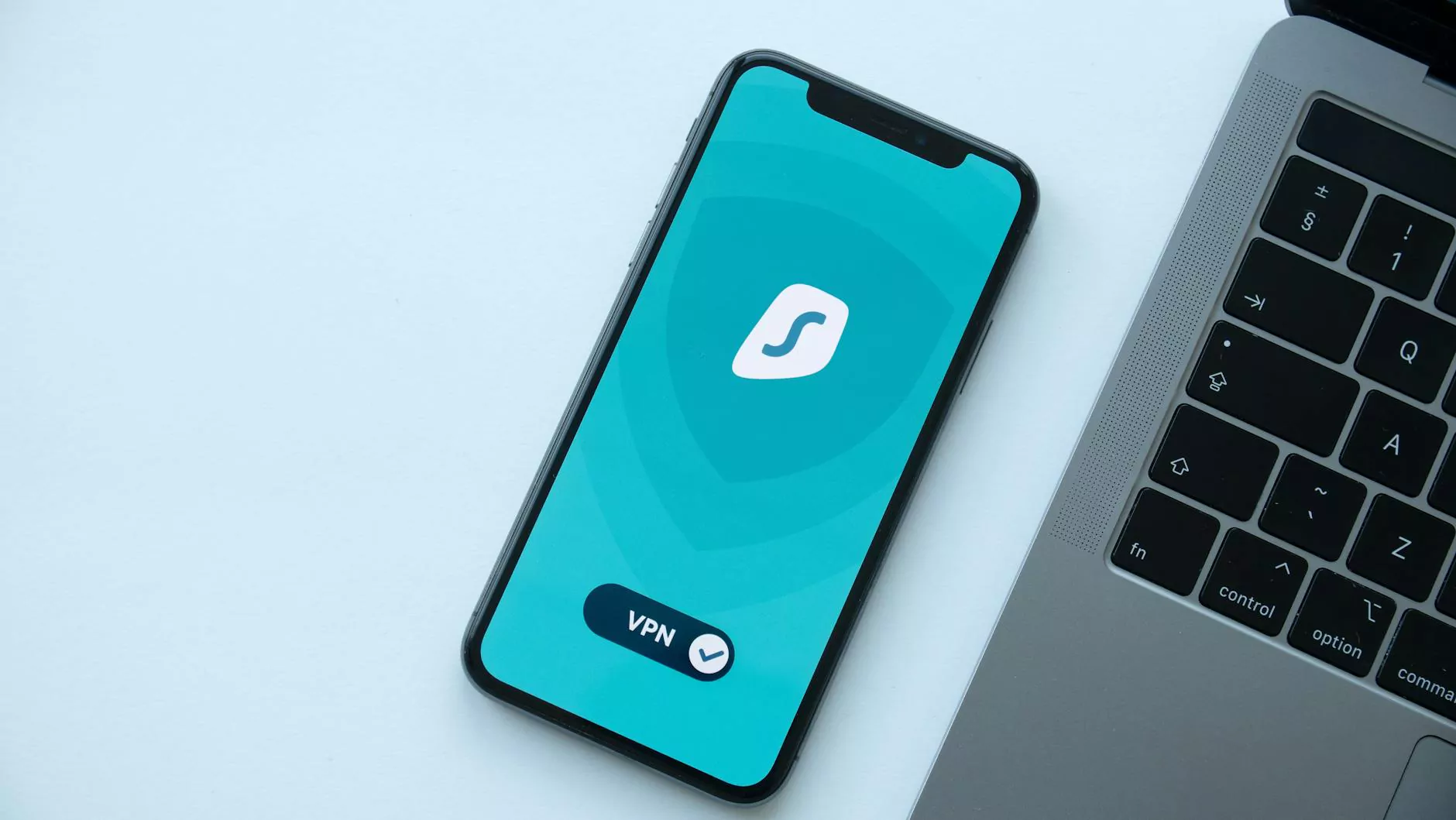
In an era where digital privacy is paramount, understanding how to securely connect to the internet and protect sensitive data has become a top priority for individuals and businesses alike. Setting up a VPN server on your Android phone offers a cost-effective, flexible, and efficient solution to safeguard your online activities, access geo-restricted content, and strengthen your overall cybersecurity posture. This comprehensive guide walks you through every essential step, from understanding the fundamentals to implementing a robust VPN server directly on your Android device, powered by reliable services like ZoogVPN.
Why Choose to Set Up VPN Server on Android Phone?
Many users opt to set up a VPN server on their Android phone due to numerous compelling benefits, including:
- Cost-effectiveness: No need for expensive dedicated hardware; your Android device becomes a powerful, portable VPN server.
- Portability: Access your VPN from anywhere, making it ideal for frequent travelers or remote workers.
- Personalization: Custom configurations can be tailored to suit specific security needs or usage scenarios.
- Privacy control: You maintain full control over your data without relying on third-party VPN providers.
- Enhanced security: Protect all your devices by routing internet traffic through your personal VPN server.
Understanding the Basics: What Is a VPN Server?
A Virtual Private Network (VPN) server acts as a secure, encrypted connection point that allows users to connect to the internet safely and anonymously. When you set up a VPN server on your Android phone, your device becomes a gateway, encrypting your outbound traffic and decrypting incoming data. This process ensures that your online activities remain confidential, especially on unsecured public Wi-Fi networks, and also enables access to geographically restricted content.
Prerequisites for Setting Up a VPN Server on Android
Before embarking on setting up a VPN server on your Android phone, make sure you have the following:
- An Android device with sufficient hardware resources (preferably with a reliable processor, adequate RAM, and stable internet connection)
- Administrative access to install apps and modify system settings
- Stable internet connection (preferably Wi-Fi or a high-speed mobile data connection)
- Dynamic DNS service (if your IP address is dynamic and you want remote access to your VPN server)
- Security protocols and configurations knowledge
- Optional: External VPN server hosting services, if you prefer not to host locally
Popular Methods to Set Up VPN Server on Android Phone
There are several approaches to establish a VPN server on your Android device, each with its own advantages and technical requirements:
1. Using OpenVPN with a VPN Server App
This involves installing an app that supports the OpenVPN protocol, such as OpenVPN for Android, and configuring it to act as a server. OpenVPN's flexibility, security features, and widespread compatibility make it a popular choice among tech-savvy users.
2. Leveraging Built-In Android VPN Server Features
Some advanced Android versions and devices support built-in VPN capabilities or third-party apps that can turn your smartphone into a VPN hotspot, allowing other devices to connect securely.
3. Utilizing Third-Party VPN Server Apps
Several dedicated apps are designed specifically to create VPN servers on Android devices, simplified for user installation and configuration. Examples include "SoftEther VPN Server" or "BungeeVPN."
Step-by-Step Guide: How to Set Up VPN Server on Android Phone
Step 1: Choose the Right VPN Server App
Select a reliable, well-reviewed app such as OpenVPN for Android, StrongSwan, or other reputable solutions. For example, OpenVPN for Android is widely used and supports various configurations.
Step 2: Install and Configure the App
Download the app from the Google Play Store and follow the specific instructions for installation. During setup, you'll need to generate or import the necessary security certificates, keys, and profiles for secure communication.
Step 3: Set Up Port Forwarding and Dynamic DNS
If your mobile device operates behind a router or carrier NAT, configure port forwarding to expose your VPN server to external connections. Additionally, for dynamic IP addresses, use a DDNS (Dynamic DNS) service like No-IP or DuckDNS to assign a consistent hostname.
Step 4: Configure VPN Profile and Security Settings
Ensure the profile uses strong encryption protocols like AES-256, and set up authentication methods, such as username/password or certificate-based authentication, for optimal security.
Step 5: Connect Your Devices
Using VPN client software compatible with your server configuration, connect your smartphones, tablets, or computers to your Android-based VPN server. Test the connection thoroughly to ensure stability and security.
Enhancing Your VPN Experience with ZoogVPN
While hosting your own VPN server offers fantastic control, leveraging trusted VPN providers like ZoogVPN ensures high-speed, secure, and reliable VPN access without complex setup procedures. ZoogVPN's powerful encryption protocols, extensive server network, and user-friendly interfaces make it an ideal choice for users seeking simplicity and security.
Best Practices for Maintaining a Secure VPN Server on Android
- Regularly update your VPN app and Android system to patch security vulnerabilities.
- Use strong, unique passwords for VPN authentication.
- Implement multi-factor authentication (MFA) where supported.
- Enable kill switches to prevent data leaks if the VPN disconnects unexpectedly.
- Monitor device logs and network activity routinely for suspicious behavior.
- Backup configuration files securely in case of system resets or app reinstallation.
Common Challenges and How to Troubleshoot Them
Hosting a VPN server on Android may present challenges, but with patience and technical know-how, they are manageable:
- Connection failures: Check network stability, port forwarding settings, and IP address configurations.
- Slow speeds: Opt for nearby servers, enable faster protocols like IKEv2, and minimize encryption overhead where acceptable.
- Authentication issues: Verify credentials, certificates, and compatibility between client and server configurations.
- Dynamic IP problems: Ensure DDNS settings are correct and updated.
Why Trust ZoogVPN for Your VPN Needs?
In the landscape of internet security, ZoogVPN stands out as a leader, providing users with:
- High-grade encryption: AES-256 bit encryption to safeguard your data.
- Wide server coverage: Numerous servers worldwide for optimal speed and access.
- Zero-log policy: Ensuring your privacy is always maintained.
- Compatibility: Supports a variety of devices, operating systems, and configurations.
- User-friendly interfaces: Easy setup and management for beginners and pros alike.
Final Tips for a Secure and Efficient VPN Setup
To ensure a seamless experience with your self-hosted VPN, keep these tips in mind:
- Test your connection regularly to identify potential security loopholes.
- Implement strict access controls to prevent unauthorized connections.
- Stay informed about emerging VPN security threats and updates.
- Combine your VPN setup with other security measures like firewalls and anti-malware solutions.
Conclusion: Take Control of Your Digital Privacy Today
Understanding how to set up a VPN server on your Android phone empowers you to take full control of your online security. Whether you desire privacy on public Wi-Fi, unfiltered access to international content, or a privately maintained server for remote work, Android-based VPN servers provide a flexible and cost-effective solution. Coupled with trusted services like ZoogVPN, you can achieve a robust, secure, and private internet experience. Start your journey today to safeguard your digital life with confidence and peace of mind.
setup vpn server on android phone